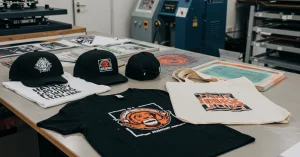

There was a time when online printing seemed to take over. But now, we’re seeing a shift. Canadian businesses are returning to local printers because they want faster service, better communication, and more control.
Local printers understand regional preferences. They can handle last-minute changes and offer face-to-face help — something online platforms don’t do well.

According to industry reports, the Canadian print market is seeing a 6% year-over-year rise in local print orders. More than 60% of small businesses in urban areas prefer local printing for marketing materials. Demand for short-run, custom print jobs is up. At the same time, eco-friendly printing is becoming a major driver for orders.
Each region has its own style:
This shows that local printing trends are not one-size-fits-all — they reflect each region’s economy and culture.
Yes. Even in a digital world, business cards remain a must. They’re affordable, personal, and easy to hand out. Many Canadian companies now order cards with custom shapes, raised print, or QR codes linking to websites or portfolios.
Custom packaging has become one of the top print products in Canada. With more people shopping online, packaging isn’t just for shipping — it’s a branding tool. Local print shops are producing custom boxes, sleeves, wrapping paper, and thank-you cards for small businesses, especially in e-commerce and food delivery.
Labels and stickers are used across industries: food, retail, shipping, beauty, logistics. They’re cheap, easy to design, and can be ordered in bulk. Many companies now prefer waterproof, removable, or eco-friendly label materials, which local printers are well-equipped to handle.
Printed marketing still works, especially for local audiences. Businesses use flyers for mail campaigns, brochures for in-store info, and posters for community events. Local printers can customize these for a target audience in a specific city or neighborhood.
Branded merchandise is a growing trend. Companies give out t-shirts, mugs, pens, and tote bags at trade shows or use them as gifts for clients. Local print shops can handle small batches with full customization, which is ideal for small business budgets.
Signage is one of the most visible tools for any business. Whether it’s a “Grand Opening” banner or window vinyl for a store sale, signs draw attention. Local printers offer weatherproof materials, large formats, and custom sizes — perfect for real estate, festivals, and seasonal promotions.
Local print shops can often do same-day or next-day service, especially for urgent jobs. You don’t wait for shipping, and there’s no risk of delays at customs. For businesses with tight deadlines, that speed matters.
Customization is where local shops shine. Want a textured business card? A non-standard flyer size? A sticker with a custom cut? Local printers say “yes” to things that online shops can’t or won’t do.
It’s not just about print — it’s about relationships. Local businesses want to support their community, and printing local keeps money circulating in the local economy. Plus, there’s peace of mind when you can walk into a print shop and speak to someone in person.
Definitely. Online forms and email threads can get messy. With local printers, you can sit down, explain what you want, and get instant feedback. If something goes wrong, it’s easier to fix.
More Canadian businesses are asking for:
Sustainability isn’t just a trend — it’s an expectation.

Yes. Many local print shops now specialize in eco-friendly printing. They offer materials with FSC certification, low-VOC ink options, and biodegradable packaging. Some even operate carbon-neutral printing presses.
Companies care about certifications like:
Having these labels helps businesses show they care about the planet.
Retailers need seasonal signage, price tags, shelf talkers, and printed packaging. They also update marketing materials regularly to match sales cycles.
Realtors rely on printed flyers, brochures, and “For Sale” signs. Fast turnaround and good design help them stand out in a crowded market. Many prefer to work with local shops for rush jobs.
Menus, takeout packaging, labels, posters, loyalty cards — the list is long. Local printers can update menus quickly and provide materials that match the brand’s look and feel.
From lanyards to banners, events create a huge demand for printed materials. Since timing is tight, event planners work with local print shops to make sure everything’s ready on time.
Gyms, spas, salons, and health clinics need appointment cards, flyers, branded towels, and membership brochures. They often order small but repeat batches, which local shops can handle easily.
Standard sizes include:
Custom sizes are also growing in demand for packaging and signs.
Both are popular. Matte feels smooth and looks modern, while glossy is shiny and good for images. Many choose finishes based on brand style or function.
Popular materials include:
Yes. Many local printers offer design + print packages. This helps businesses get everything in one place and avoid formatting issues.
Consistency builds trust. A business that uses the same colors, fonts, and layout across all printed items looks more professional and is easier to remember.
Some businesses use tools like Canva or Adobe Express. Others hire local graphic designers or ask the printer to create the design. Many local printers now offer in-house design help.
Minimums vary by product. Some items like business cards require 100–250 pieces. Others, like banners or shirts, can be ordered in smaller quantities. Ask your printer for options.
It depends on the item and size of the order:
Rush jobs are often available.
Yes. A proof helps avoid mistakes. Always ask for one, even if there’s a small extra cost. It can save you time and money in the long run.
Local printing trends in Canada show that businesses still value speed, quality, and personal service. From business cards and packaging to banners and branded items, Canadian businesses are ordering a wide range of printed products from local shops.
If you’re a business owner wondering what to order next — or whether to print locally — now you know: local printing offers flexible options, fast turnaround, eco-friendly choices, and real human support. It’s not just about ink on paper. It’s about doing business better, smarter, and closer to home.
Usually 1–5 business days, depending on product and quantity.
Sometimes, but the extra service and speed often make it worth it.
Yes. Many shops offer a printed sample or digital proof.
Yes. More pieces usually means a lower cost per item.
Some printers offer print-on-demand for books, shirts, or stickers.
Digital is used for short runs, offset for large batches.
Yes, especially in major cities.
Many do. Just ask.
You can often pick up in-store, or ask for local delivery.
Avoid the holidays and end of fiscal quarters when print shops are busiest.